Optimal Timing for Concrete Floor Replacement
Choosing the optimal time for concrete floor replacements involves considering weather conditions, temperature, and project scope. Proper timing ensures quality results and minimizes potential issues such as cracking or curing delays.
Spring and early fall offer moderate temperatures and humidity levels, ideal for concrete curing and installation.
Avoid replacement during extreme cold or heat, as temperature fluctuations can affect curing and adhesion.
Longer projects benefit from scheduling during stable weather periods to prevent delays.
Allow sufficient lead time for planning and obtaining necessary permits before scheduling replacement.

Ways to make Concrete Floor Replacements work in tight or awkward layouts.

Popular materials for Concrete Floor Replacements and why they hold up over time.
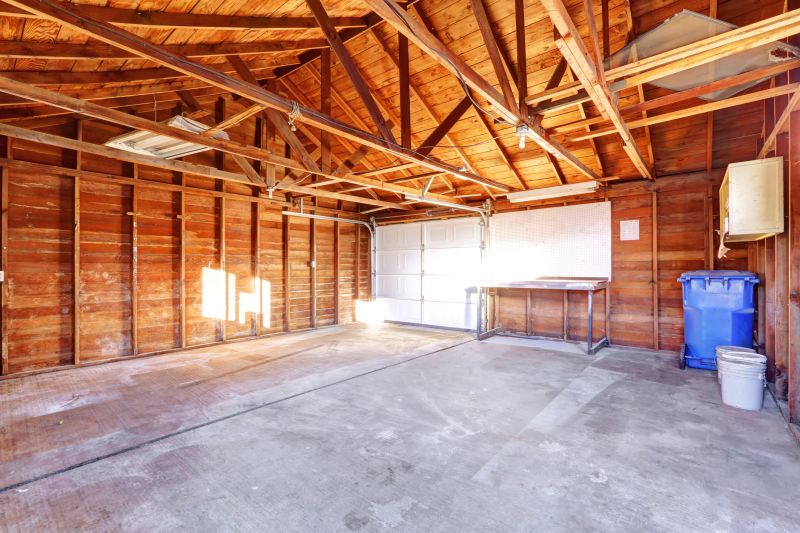
Simple add-ons that improve Concrete Floor Replacements without blowing the budget.
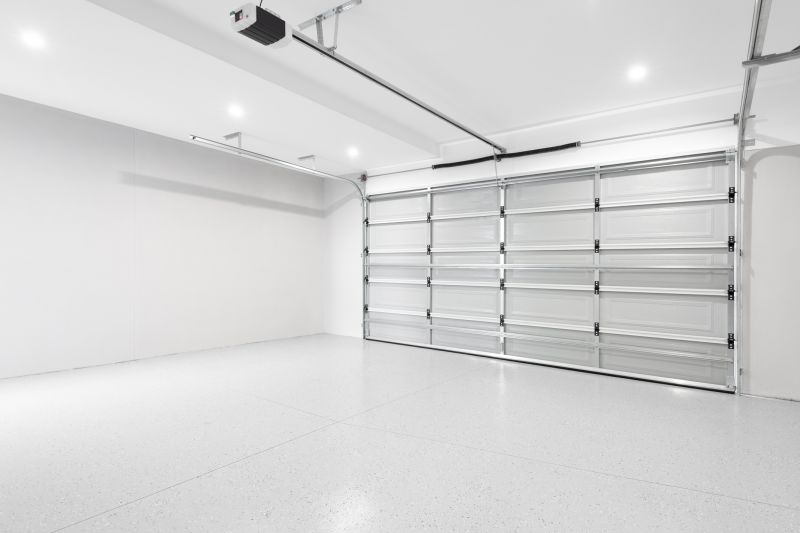
High-end options that actually feel worth it for Concrete Floor Replacements.
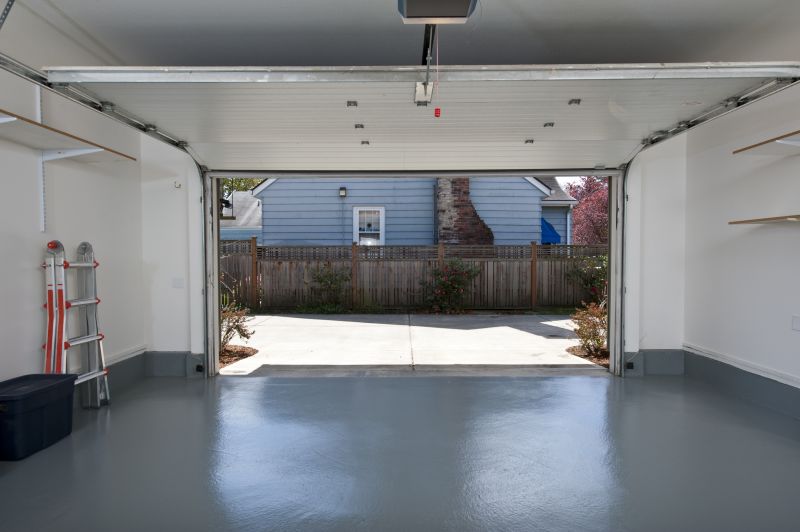
Finishes and colors that play nicely with Concrete Floor Replacements.

Little measurements that prevent headaches on Concrete Floor Replacements day.
Concrete floor replacements are essential for restoring damaged or outdated surfaces in residential, commercial, and industrial spaces. Proper timing can improve durability, reduce costs, and ensure a smooth installation process. The process involves removing existing concrete, preparing the subfloor, and pouring new concrete with appropriate curing conditions. Statistics indicate that scheduling during optimal weather conditions can decrease cracking incidents by up to 30%, extending the lifespan of the new surface.
Factors such as humidity, temperature, and project size influence the best time for replacement. Indoor projects are less affected by seasonal changes, but outdoor replacements require careful planning around weather forecasts. Delays caused by poor timing can lead to additional costs and compromised quality, making it crucial to select the right window for execution.
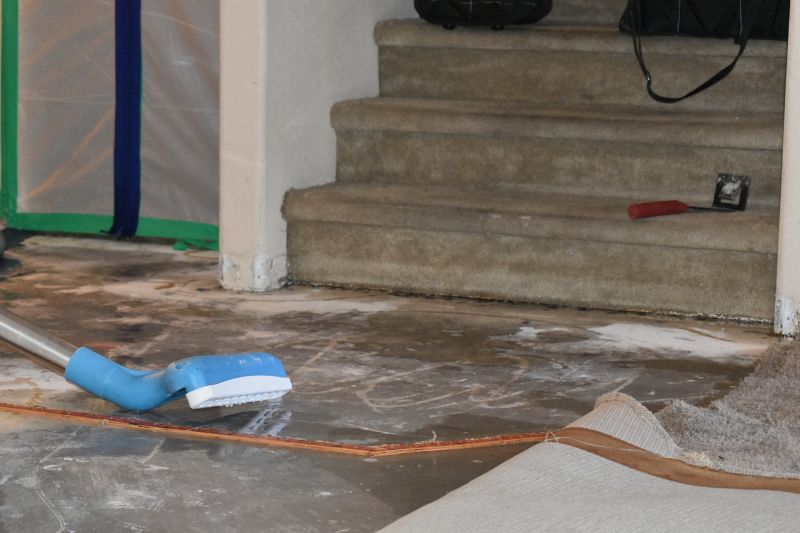
A 60-second routine that keeps Concrete Floor Replacements looking new.
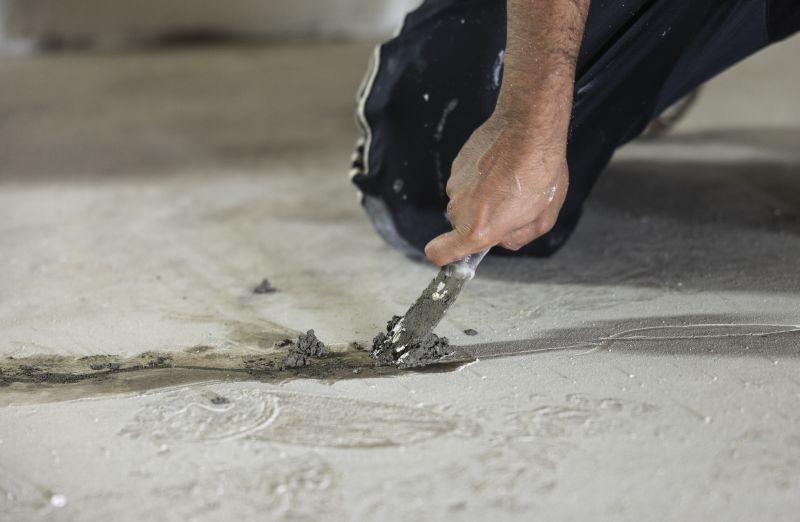
A frequent mistake in Concrete Floor Replacements and how to dodge it.
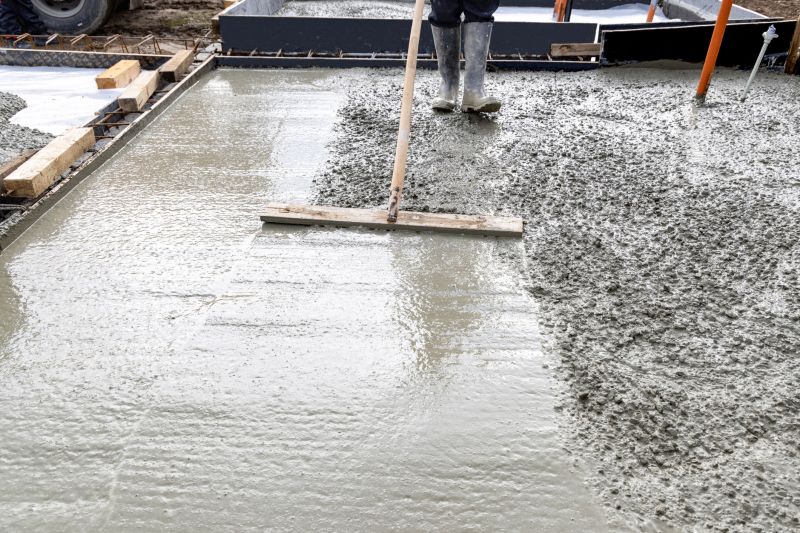
Small tweaks to make Concrete Floor Replacements safer and easier to use.

Lower-waste or water-saving choices for Concrete Floor Replacements.

The short, realistic tool list for quality Concrete Floor Replacements.
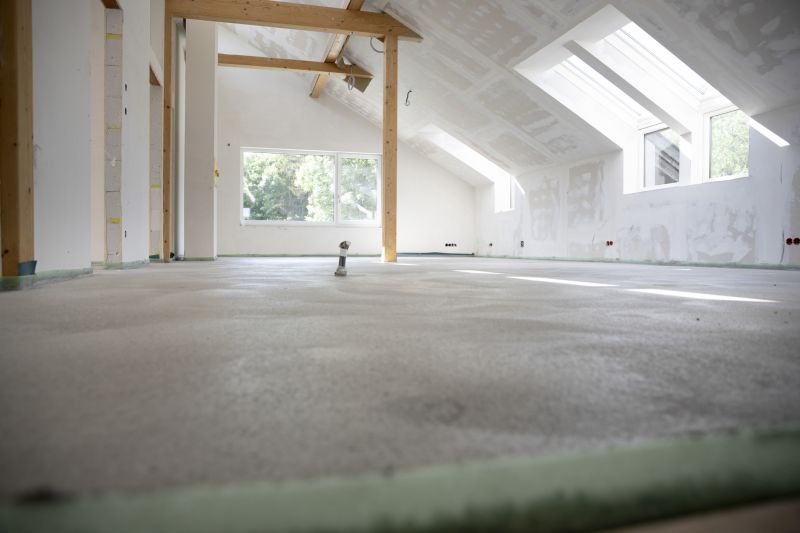
Rough timing from prep to clean-up for Concrete Floor Replacements.
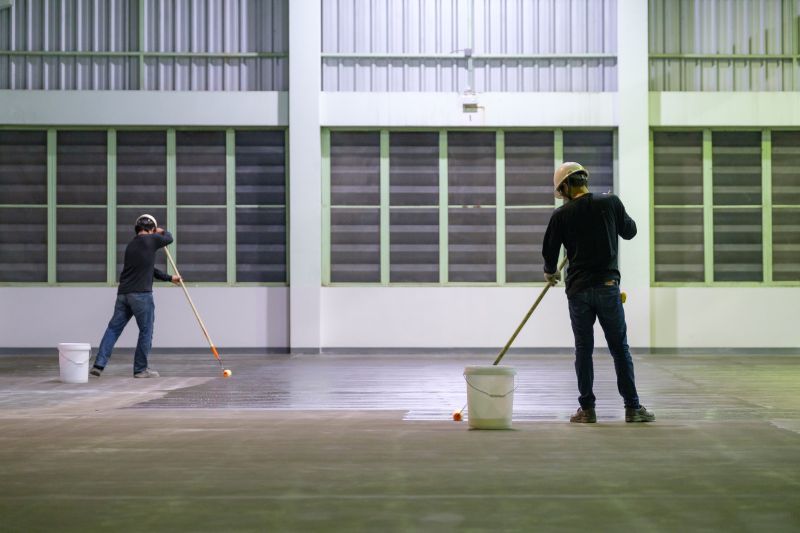
Quick checks and paperwork to keep after Concrete Floor Replacements.

Examples that show the impact a good Concrete Floor Replacements can make.
| Season | Recommended Conditions |
|---|---|
| Spring | Moderate temperatures, low humidity |
| Summer | Early morning or late evening work recommended |
| Fall | Stable weather, mild temperatures |
| Winter | Indoor projects preferred, or use heated enclosures |
| Rainy season | Avoid outdoor replacements during heavy rain |
Timely planning and understanding seasonal impacts can significantly influence the success of concrete floor replacements. Properly timed projects tend to have fewer defects and longer-lasting results, making them a worthwhile consideration for property owners and contractors alike.
Interested in scheduling a concrete floor replacement? Filling out the contact form can help initiate the process and ensure the project is planned during the most suitable time for optimal results.